
Music and Hope
• During a visit to the Center for the Study of Southern Culture at the University of Mississippi in the fall of 2025, I traveled the state’s roads – from cities like Oxford and Jackson to the most rural counties – to meet the people who live there. But I could never have imagined that barely ten days after my arrival, the serendipity of these encounters would open the doors of the Mississippi State Penitentiary: Parchman Farm. I had even less of an idea of the changes that were taking place there… As a preview of a book to be published in 2027, here are some of the people I met.
As a blues enthusiast, I knew Parchman Farm only from a distance. Through the artists who were imprisoned there—foremost among them the great Bukka White, who dedicated a song to it; through the seminal recordings of blues, gospel, and work songs collected there by folklorists such as John and Alan Lomax; through David M. Oshinsky’s historic book with the telling title—‘Worse Than Slavery’: Parchman Farm And The Ordeal Of Jim Crow Justice; and finally through the recent recordings of inmates released by Ian Brennan on the two deeply moving volumes titled Parchman Prison Prayer on the Glitterhouse label.
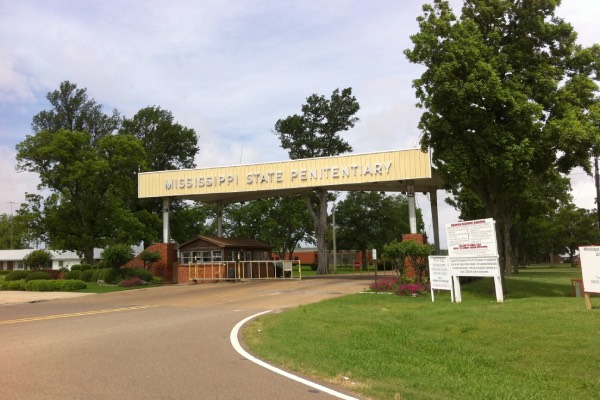
In the heart of the Delta in Sunflower County, this agricultural penitentiary spans vast acres (28 square miles), in which each individual unit is surrounded by fencing. The history of Parchman Farm is chilling: opened in 1901, the prison was known for its particularly squalid conditions, where unsanitary living conditions, constant bullying, violence, and death are part of the inmates’ daily lives. In 2020, after riots broke out and inmates launched a class-action lawsuit publicized by rappers Jay-Z and Yo Gotti, a new Commissioner, Burl Cain, was appointed by the Governor at the helm of the Mississippi Department of Corrections (MDOC). Cain was a former warden at the equally notorious and infamous Angola State Farm in Louisiana, which he had set out to reform. In 2022, then in his eighties, Cain appointed a new Superintendant at Parchman who would help him implement a policy of change.
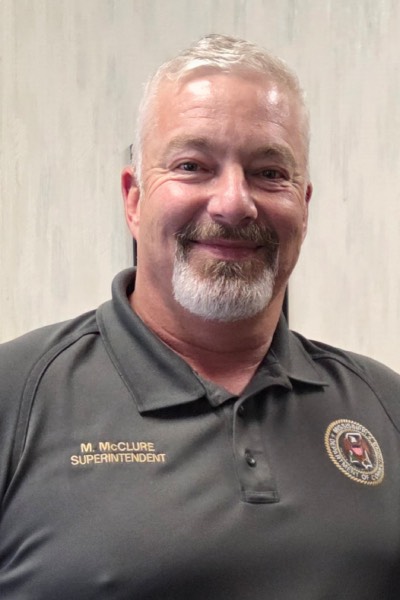
Thirty years younger than Burl Cain, Marc McClure is a native of West Point (a small town in Mississippi close to Alabama, right between Tupelo and Tuscaloosa). His life story is marked by a terrible tragedy – the murder of his brother by his own father – and a long journey toward forgiveness. Reading the letters his father sent him, and later becoming the Superintendant of the prison his father was incarcerated in, he realized the need to treat inmates as human beings. Upon taking over as Superintendant of the State penitentiary, McClure reorganized the staff and set out to thoroughly overhaul the prison’s practices and culture. Today, he begins every editorial he writes for the prison newspaper, The Parchman Chronicles, with these words: « Dear Parchman family. » He knows each and every one of the inmates.
Changed
On the day I arrived at Parchman, I met one of them: a septuagenarian who had been incarcerated since 1993, Robert Weaver Jr. A gospel singer. His deep, steady voice gives him a natural presence that his modest stature does not immediately suggest. The staff and the other inmates show him deference.
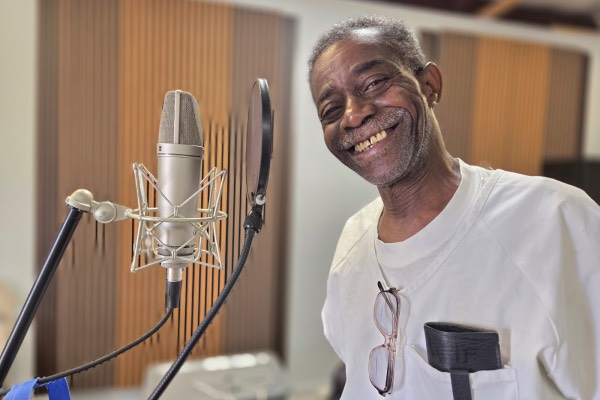
Everyone calls him “Wolf,” a nickname given to him by his grandfather. « He said I hollered like a, when I cried, I hollered like a wolf. My lungs were that loud », he remembers. « So most of, everybody called me ‘Baby Wolf’ or ‘Wolf’. They said, ‘Man, you got some lungs on you like a wolf. » Wolf is a veteran. He’s seen a lot of the world, spending more than eight years on U.S. military bases in Europe during the Cold War, before returning to Mississippi, where a series of tragedies affected the course of his life. In November 2024, Bryan Ward (a close friend of bluesman Bobby Rush who runs Golgotha Ministry, a small religious organization working in prisons) organized a public recording session featuring Wolf at Parchman. Bobby Rush joined Wolf there to perform a visceral rendition of the traditional gospel anthem “I’ve Been Changed”. The walls shook.
I wrote an article for the online magazine Il Blues (in Italian and English) that traces the origins of this moment, including an interview that offers a deeper insight into Wolf. As our conversation began and I asked him to introduce himself on tape, I noticed that he added the following words – « Music has been my life. » Music. Not the penitentiary. I then decided not to ask him what led to his conviction. Although he had never recorded before, I chose to approach this as if he were one of the artists I’m used to meeting for interviews. We talked about music, and it’s to understand its context that we touched on daily life in prison. He spoke about the group he idolized at the time he was growing up – The Temptations. We named songs, hummed tunes, and his face lighted up with a smile that grew a little wider each time. “Ever heard of a group called the Mighty Clouds of Joy ? The Zion Harmonizers ? The Violoneers ?” He mentioned Sam Cooke and James Cleveland, and for the duration of this interview, relived the carefree days of his youth when he and his brothers would participate in singing competitions their mother signed them up for. « You know, we were some pretty tough little boys », Wolf confided, thoughtfully. « I think if we had stayed with it, we could have made our mark in the music business – either side, R&B or gospel. I think we could have made our mark. » Wolf is one of the most radiant and endearing personalities I’ve ever had the chance to meet. How many talents like him have life’s circumstances consigned to anonymity ?
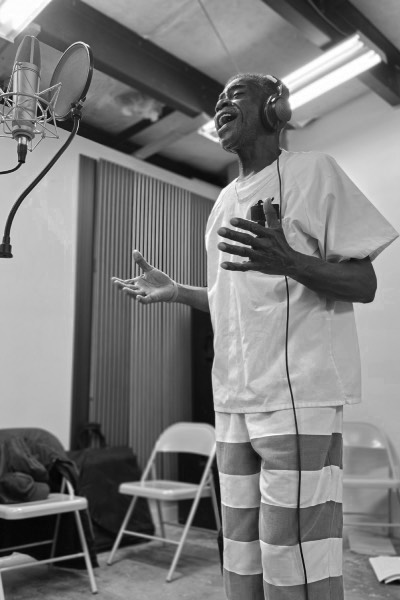
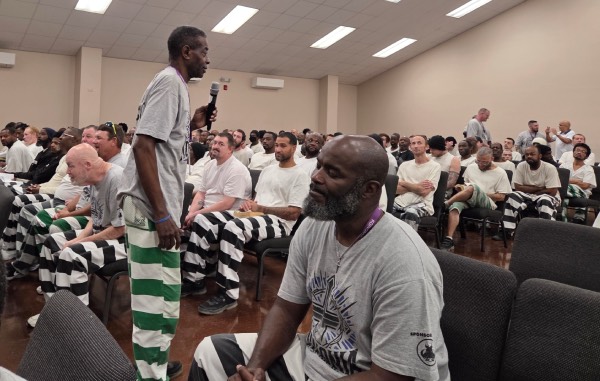
« God had his hand on me and he wanted me to sing and praise for Him », reflects Wolf, « so that’s what I’ve been doing. » He invites me to see by myself : « I just wish you had the opportunity to come to one of our worship services », he says. « We’ve got a beautiful chapel. Oh, man, I wish you’d get the opportunity to see it ! » The chapel he taks about is located in the Unit 30 of Parchman. Commissioned by Burl Cain, who believes that religious practice fosters moral improvement among inmates, its construction was completed a few years ago. The inmates confirm that religion offers a way to escape the grip of gangs—it is, in fact, the only reason one can leave them without fearing violent retaliation. The Sunday service is also an opportunity to step away from daily life and, for two or three hours, to surrender together to a shared emotion—to the fervor of the songs, prayers, shouts, and bodies swaying in time with the music. Whether in the services held in the cafeterias of the “zones” – cramped rooms with low ceilings where voices thunder and music fills the entire space – or in the chapel of Unit 30, which brings together several hundred inmates, this gospel is powerful, irresistible, and alive. When Chaplain Rhodes (one of the penitentiary’s chaplains) takes me to Unit 30 for the first time, Wolf is there in the chapel.
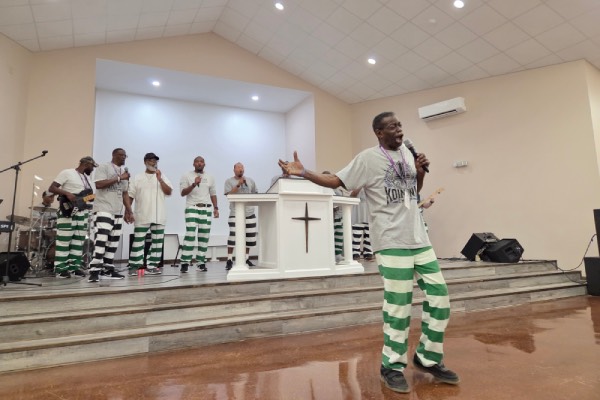
The place is warm and has a special vibe. Alternating between songs and exhortations, Wolf welcomes the participants as they take their seats, while the musicians warm up near the bathtub where the baptisms are being performed; then the various lead singers, backed by the choir, take turns at the microphone. The repertoire draws from contemporary gospel, featuring renditions of songs such as “Fill Me Up” by Tasha Cobbs and “God’s Got A Blessing (With My Name On It)” by Norman Hutchins. The natural acoustics of the space and the audience’s passionate engagement push the electric groove driven by the musicians to the brink of saturation, a long prelude to the message delivered later during the service by two preachers, who are also inmates. Finally, we bid each other peace with a lengthy exchange of words that we draw out. Upon leaving the chapel, we are greeted by a distribution of cookies prepared by the inmates. We let ourselves be enveloped by the warmth of the sun’s rays, with the feeling of having shared an intense experience.
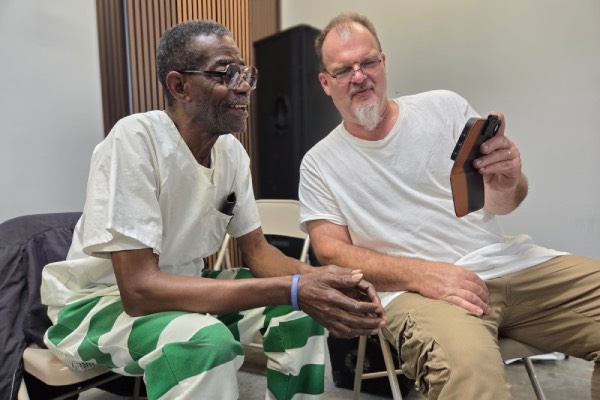
One Sunday, Roger, one of the two preachers leading the service, spontaneously asked me to share my testimony. I’ve never been particularly religious. But as I stepped up to the altar and began to stammer, the encouragement from the roughly 300 inmates standing before me eventually helped me open my heart and find the right words. I realized they were inviting me to share in the emotion they experienced every week, and I got overcome with an overwhelming sense of gratitude. Later, during a conversation, Michael, the other preacher who leads services in the chapel, told me the day of his release was set – and I realized that day just happened to be my birthday. We laughed at this coincidence, saying that we would both have something to celebrate that same day. Michael is thinking about opening his own church once he’s out. After 18 years here, he assured me he wouldn’t miss Parchman Farm – “but some people I will miss”, he adds. Wolf wasn’t far from us when he said that. He’s staying here.
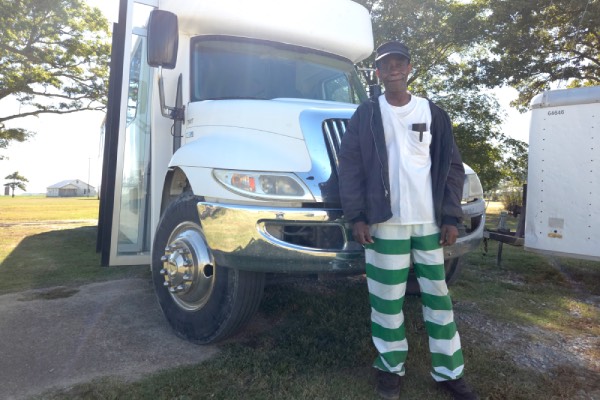
I experienced many intense moments at Parchman. The very day after I arrived – without me really being prepared for it (who would be ?) – Marc McClure insisted on taking me to meet the death row inmates, who were housed at the time in a wing of Unit 29, a sinister fortress nicknamed “Castle Grayskull”. In the warden’s vehicle, the atmosphere grew heavy as we were waiting to pass through the various security gates. It was mid-morning and the weather was already hot, but the solemnity of the moment caused a few extra beads of sweat to form on our temples. Even for the Superintendant, a visit to these inmates dressed in red is never a trivial matter. The last door opened onto a dilapidated, cramped space, dominated by the constant roar of a massive ventilation system. The cells there were arranged on two levels, but with the exception of one, the doors were open, and the inmates moved about freely in the small corridor. As we walked in, about thirty faces turned toward us – faces that were surprisingly welcoming. We chatted casually. With Jersey, for example. Everyone has a nickname in prison, and his is “Jersey” – simply because he’s from New Jersey. He’s passionate about Christian music and leads worship in the unit. His greatest pride and joy are his five guitars. “I only use two of them,” he was quick to explain to me, “the other three are for the guys who are learning how to play the guitar or want to learn how to play the guitar.” Down in the death row wing, meanwhile, Jersey gives guitar lessons to his fellow inmates. “To the best of my knowledge, this is the only death row in the United States where they have guitars or other musical instruments. We have one guy with a bass, two guys with keyboards.” He added, “This is also the only death row in the United States where we are not locked down all the time.”
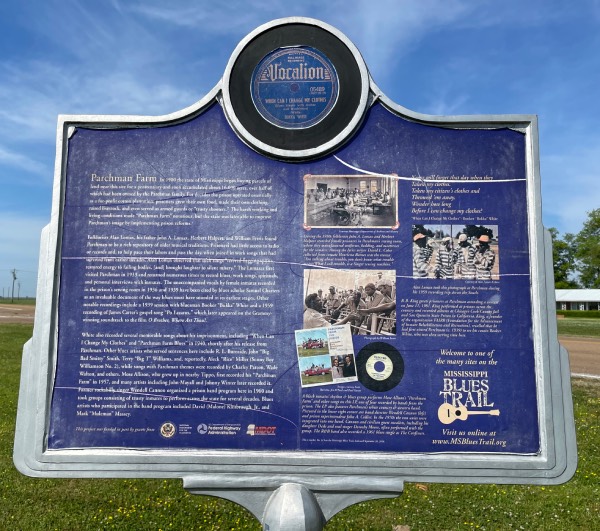
McClure recalled his first visits to the place: « One of the hardest things I saw, was when I let somebody come out, and when they got out that threshold, their hands was right there, and they was taking little steps. Because they were so used to wearing leg irons, they couldn’t take a full step. Even though they didn’t have the chains on, they walked like they had chains. » Charles, an inmate whom McClure was eager to introduce to me that morning, had experienced this conditioning: « See, over a year – when I first got here, I used to rub my ankles rawwhen I have to go to a visit or go wherever or whatever, but over time you learn that cadence. Because if you step too far, they change and they lock and they’ll twist that thing on you ankle. You get used to walking because we didn’t come out unless – like the hand behind our back going to the sower or whatever. But any other time we were in full restraints, and that’s what it is. You just get used to it. You don’t want to feel that chain catch your leg, you know. » Charles told me chilling stories about the daily lives of the inmates before McClure’s appointment. Charles had been here for 33 years. He had only one month left to spend here—a week before our meeting, McClure had been informed of the date set for his execution. The emotion between the two men was palpable. They both knew that, when the day comes, they would do what they have to do. When, after an hour, we got back into the vehicle, McClure and I left with a lump in our throats. For him, death row inmates are also part of the “Parchman family.” « My focus is, as simple as it is, the sentence is the punishment. We don’t punish them here. That’s not our job. That’s not what we are here for. The sentence was the punishment. »
The Parchman Band
Parchman Penitentiary is also unique in that it has a band that performs concerts at all MDOC prisons. Its history dates back to the early 1960s. The prison warden at the time was Fred Jones, a former Democratic senator. Jones himself owned a plantation in the Delta and supported segregation; like his friend Governor Ross Barnett, he was involved in the White Citizens’ Council, which openly opposed the civil rights movement. But he was determined to reform the prison system by implementing rehabilitation and recreational programs, including a music workshop. Wendell Cannon, a rockabilly musician who had campaigned alongside Barnett, was chosen to lead this workshop, while his wife was hired as a nurse. Alongside a hillbilly music ensemble made up of white musicians, Cannon managed to get the idea accepted for an R&B group composed of Black inmates, before, ten years later, the first integrated band finally came into being. Mostly recorded in Jackson at Malaco Studios, a few albums were released, alternating musical genres from track to track or devoted exclusively to honky-tonk music. Mark “Muleman” Massey is a former inmate at Parchman Farm from 1991 to 1993. His mentor was the band’s guitarist, Ronnie Gregg, who, after hearing him sing by chance, secured him an audition with Wendell Cannon. Muleman nowadays remembers Cannon as a character « like Yosemite Sam, the Old cartoon on Bugs Bunny », and Ronnie Gregg as a musician who « looked like a young Merle Haggard and played like James Burton (…) he was just tough. »
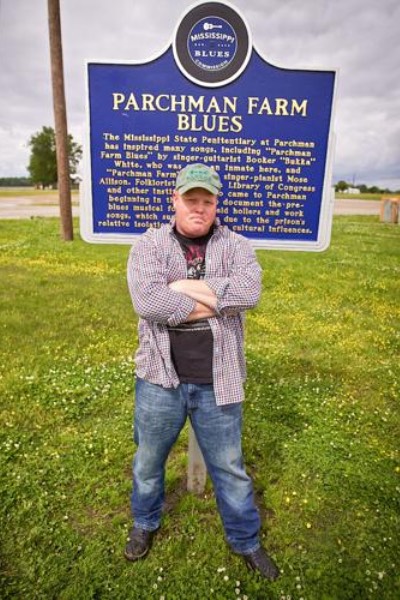
I met Muleman under the trees lining the driveway leading to his house, located at the very end of a long dirt road near Senatobia, Northern Mississippi, just a stone’s throw from the cemetery where Fred McDowell is buried. In the middle of peaceful hills, a world away from Parchman. The sun was about to set as we sat on the trunk of his car with a guitar and a bucket of muscadines. Muleman shared some of his memories. « I lost 30-something pounds in lockdown, camp 32, the one at the back that they shut down. I was at that camp. I couldn’t walk the fence for starvation. When I finally got out and was able to walk a fence, the nit was the gun line, which, you know, you cross the line you get shot. We had that gun line. That was in the 90’s. And also, in the 90’s, you had forced labor, menaning if you didn’t want to work, you got your butt whooped. (…) ‘Oh, you don’t want to work ? Okay, well, just come on out here and stand with us.’ And they would shackle you like this, through your legs. And you just stand out there in the field while everybody else is chopping. Juste there like this all day. And then the next morning he said, ‘Well, come on, let me get you shackled up.’ You’d say ‘Oh no, give me the hoe.’ So that was in the 90’s. (…) They were notorious rednecks, big belly, beer-drinking, ass-kicking rednecks. That was K9 (canine). There was some Black guys. (…) It was so hot. It was so hot that your nose would bleed from being so dry. » Muleman picked up his guitar, and his voice seemed to carry all the way to the lush green hills surrounding us :
« I could see a full moon up in the sky
And the wind and the clouds were blowing by
But you can’t see it all, looking through the bars
And I cried for my mama, but here nobody gives a damn »
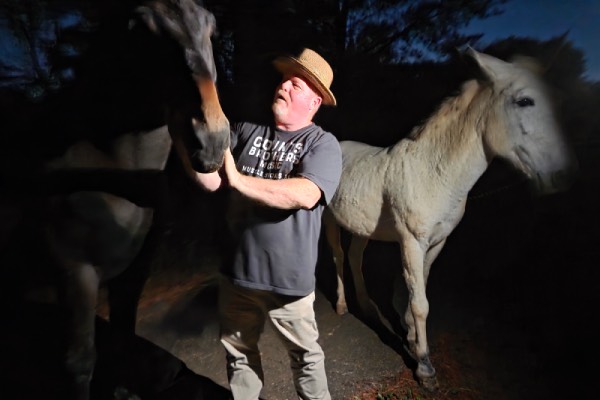
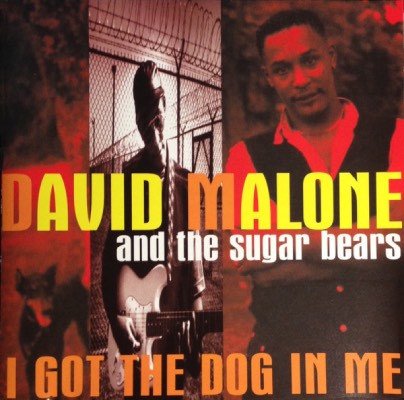
Muleman remembered Unit 32, which used to house death row inmates and the most dangerous prisoners—it was so unsanitary that it was shut down because the conditions there were deemed inhumane. The prison has left a lasting mark on him. His most precious possessions come from Parchman, such as the $28 guitar on which his cellmate David Kimbrough Jr., the son of Junior Kimbrough, composed the songs for his debut album (“I Got The Dog In Me,” released under the name David Malone & the Sugar Bears): « David wrote most of all that stuff on my guitar in a cafeteria mop closet, that was his ‘studio’. He would go in there at night with his recording little cassette that you ain’t supposed to have, you know, but it would record, and then he would get Mr. Cannon to send ‘em out, you, back to Fat Possum, ‘cause he couldn’t have anything like that. » The sun finally set. Muleman’s mules approached us in the dark, keeping a cautious distance—Ginger, Cochise, and Joe, shy giants taller than a man. Beneath the vast starry sky, disturbed only by the song of cicadas, Muleman continued his musings as he spoke of the inmates: « I was one of them. »
Wendell Cannon died in 1996 at the age of 63. The Parchman Band had been dormant for several decades when Marc McClure decided to revive it in 2023. He scouted for talent, organized auditions, and encouraged some inmates to give it a try. « Don’t see them as a liability. Change them and see them as an asset », he tells people. « Once you change them from being a liability to being an asset, now you’ve got something you can use to do more. » Muleman Massey put the band in contact with the people who run the B.B. King Museum & Delta Interpretive Center in Indianola, who invited the Parchman Band to give its first concert outside the prison system, in the spring of 2025. Then in the summer, a second one, at the Sunflower River Gospel & Blues Festival in Clarksdale, still in the Delta. But the relationship between Muleman and the band underwent some difficulties and they parted ways. When I arrived at the penitentiary, the Parchman Band was about to start rehearsing with Jimbo Mathus—they are recording an album as I write these lines.
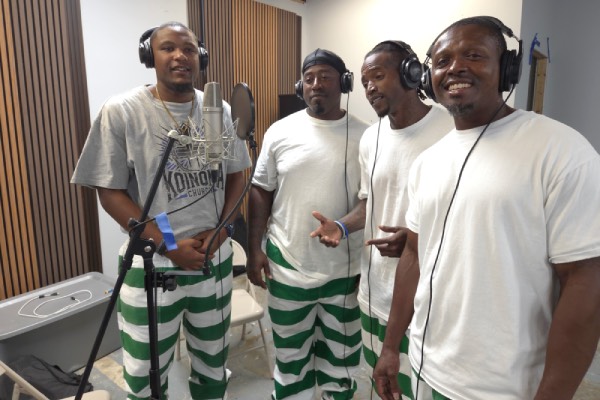
During my visits to the penitentiary, I had the opportunity to talk with members of the group. Leonard Stevenson Jr., whom everyone at Parchman calls “L.J.”, is a young man in his thirties from Greenville, with the state of Mississippi tattooed on his left forearm. Although he has only been incarcerated for five years, he performs with the Parchman Band and, as such, wears green-striped trustee pants – which, unlike black stripes, allow him to move about freely (inmates usually have to serve 15 years of good behavior before earning this privilege). L.J. also accompanies gospel singers during religious services in the Unit 30 chapel. He is in such high demand because he is a versatile musician with unquestionable skill on the bass, drums, guitar, and keyboards. He began playing music at the age of 10. « When I was born, I was raised into the umbrella of Islam », he told me, « but my father went to prison when I was five. Some time after that, my grandmother came in the picture and started making us go to her church. So, we kind of like, turned away from the Islam umbrella into Christianity. So I got baptized when I was about 11 years old. I learned how to play music when I was about 10, and that’s when I started playing for her church. »
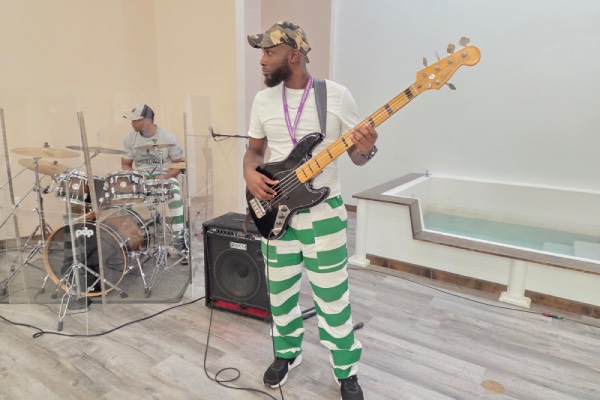
It was his step-father who taught him not only how to play the bass, but also the tricks of the trade. « He taught me how to play bass, he had a blues band. I guess his stage name was ‘Sweet Peter Jeeter’, whatever that means [Note: The name of a character embodying a conquering masculinity, found, for example, in a 1970 poem by Black Panther activist H. Rap Brown or in a 1977 pornographic film by comedian Rudy Ray Moore.] but his name was Melvin Robinson. (…) I think I did my first show with him at 11, at his joint club. It was off this street called Nelson, itw as called The Blue Note at the time. I’m not sure what it is now or even if it’s standing right now. » The other band members each taught young L.J. how to play their instrument. « They taught me the basics. I had to do extra studying on my own with Youtube, and, really, seeing what quality musicians are out there… There’s some animals out there. It’s sick how good people are with certain instruments. So I knew I had to keep on climbing. You got people that be like, ‘Man, you’re so good !’ and I’m like, ‘I’m really not.’ Compared to what’s really out there. That’s what’s keeps me driving and keep striving for a marker that I don’t even know when I’m going to reach it, but I’m going to keep on climbing until I get there. » L.J. wasn’t even a teenager yet the first time he backed T-Model Ford with his step-father—to the stage at the Oil Mill, another club on Nelson Street. « T-Model used to bring his grandson there. I never knew his name. He used to bring him up there to play the drums. Man, this little dude ! I don’t know who’s teaching him, but he’s gonna be… I can only imagine how good he is now. I grew up around T-Model Ford. » L.J. loves all genres of music – gospel, reggae, rock, soul and R’n’B. « It lets you get some stuff off. It’s like a ventilator. It lets you get something off, and many people can relate through music. Even if you can’t say whatever you’re feeling, man, you can go pick out a song and it can match whatever you’re feeling. Music is very emotional, it helps to, you know, release some of the stress or tension or something like that or make you feel happy. You know. It’s universal. That’s what I love about it. »
L.J.’s other mentor was a local musician named Mr. Smiley, who spotted him at his middle school graduation ceremony. « He was the band director that was there at the middle school, who was trying to start the band. I wasn’t in the band, I was a football player. But he had a bass guitar sitting outside of the band room and I walked by and I seen it coming from the football practice. I said, ‘Man, can I play that ?’ (…) I knew the drummer, Stephan Hughes. And so, the next day he got me and Stephan Hughes together to learn some songs. Thats’ where Smiley And The Young Guns started. I ended up in another band with this guy, he kind of taught me the theory behind the music and how I can just speak numerics when it comes to music or whatever. » Right from that summer on, until they graduated from high school, the musicians played gig after gig. « We used to perform probably like 3 or 4 times a week, every week of the year. And it was tiring. So I really have much of a childhood outside of being a football player or a musician because I’d be gone every weekend. So all all the house parties and stuff likje that was… I was making a lot of money at that young age. And a lot of other things. » The story doesn’t end well—it’s a money dispute between them that brought Mr. Smiley’s life to an end and sent L.J. to Parchman.
At the summer 2025 concert in Clarksdale, L.J. was on drums. It was a very special moment. « When we left and goon the bus, of my God, itw as like… As we were bagging out, people were following the bus, clapping, and itw as, ah, that feeling was, you know, I’ve been getting clapped for a long time fromplaying football and playing music outside of here, but i was, that was totally a different feeling altogether. Because, you know, I did a heinous crime to get me here, and to, you know, still be shown grace… (…) My people were there. And to see my grandmother’s face, wow, yeah it was like, you know, despite… Despite my shortcomings, and my adress, I’m still making her proud, you know. (…) Words really ain’t built to express how I felt, you know. »
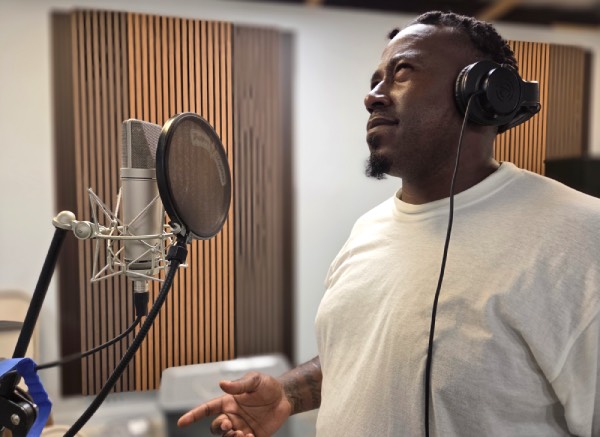
Music with meaning
Another inmate, Jamien Washington, known as “Jae,” was appointed the Parchman Band’s official photographer at the time I was there. Jae is also learning to play the bass and sometimes performed with the band. He is a 27-year-old man from Doloroso (Mississippi)—“painful” in Spanish—a small rural town along Route 61, south of Natchez. From there, crossing the bridge over the Homochitto River, you arrive in Sibley, where the local celebrity is blues and southern soul singer and guitarist Theodis Ealey. « My mo mis actually friends with a relative of his. I grew up on his music, the whole family loves his music. » Jae went on : « I listen to blues, I listen to gospel of course, I listen to some rap. My favorite artist with blues would be Johnnie Taylor. With rap, there’s a new artist now that I’m gravitating towards – it’s more on the gospel rap side, his name is Rich Da Famous. »
Jae is serving a life sentence for a crime he claims he did not commit—a support committee has been formed on the outside to help him proclaim his innocence. Jae was the only inmate in this situation whom I met at Parchman. His calm smile and apparent ease surprised me. « I thank God for this opportunity to having been incaracerated. I thank God for it » he explained. « Yeah, it’s a blessing. Because, if I would have continued to go down the path I was on, I would either be dead, which would hurt my family worse – cause now they’re still able to talk to me, they still able to see me, hug me, touch me. And it’s a blessing to know that. I have a wife and three daughters as well. And they come here and visit me like family day that we have here. It’s amazing, you know. And yeah, I know it sounds crazy, but I’m thankful. I’m thankful for being here right now because I could have got hurt or hurt somebody, you know. » He added : « I did not physically hurt anybody, do anybody any harm – not saying that I’m 100% innocent because my actions still make me guilty. (…) Honestly, I was hypnotized. I was hypnotized bu the street life, women, and drugs. But God used this time to open up my eyes to the truth of what these things could lead and give me. So I just thank God for it. I’ve been moved. »
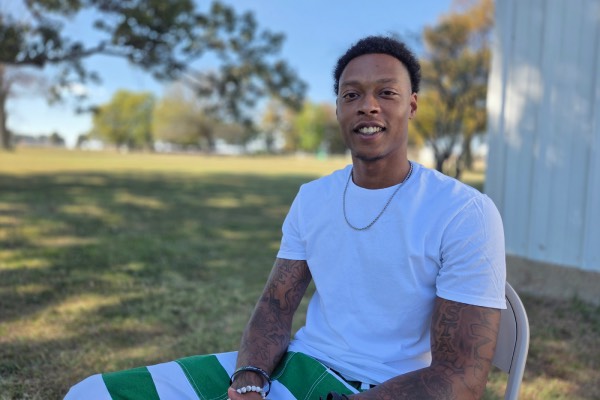
The ink-free, soot-based tattoos that cover his muscular arms were all done in prison. It is through music and photography that he is finding new meaning in his life. When he talked about the Parchman Band he said : « Traveling with them, I see that music actually helps the soul. It brings smiles. It brings joy in their hearts, and I see that. I’m a witness of that. So, with me being the photographer, I capture those moments (…) I bring them back here and I share them with people to see that, okay, of course you’re incarcerated, but there still can be a change. There still can be a purpose of you living. (…) And I hope it can have the same impact on people in the free world as well, because inmates are looked at as their crime – and I hope they can see that, oh, we are human. And we are subject to change. »
« Music in my thing », told me Lee Andrew Smith, another Parchman Band member I met, « that’s the reason I call myself Soul Child. » Soul Child grew up in Yazoo City, on the edge of the Delta. He’s been in and out of prison for 18 years, and this isn’t his first stint at Parchman. He doesn’t feel sorry for himself either. « Although I ended up in this situation, this situation actually brought some things out of me that I’ve been trying to push out for a long time but I didn’t realize that I actually could. And it’s when you get into certain circumstances that you realize who you truly are », he said. « God spoke to me a few years ago. I was sentences to life when He said my freedom is going to come through music. » Soul Child, then, began writing songs. First, gospel songs : « I was in the County jail when I wrote my first song, saying ‘I’m waiting these clouds to leave’. » Then, the blues : « I’m going through something. Like, the blues start to fall on you, you know. So, if anybody can sing the blues, I can sing the blues. » He enthusiastically listed to me all the other genres of music he loves—R&B, rock, country—as long as, he insisted, they convey a positive message. He writes for the woman he loves; he writes for each member of his family; he writes for the young child he lost. « She wasn’t biological to me, but we were so close. When she was, like young, every night she used to go to sleep on my chest. » His gaze seemed to drift off into his memories. « They were like the worst time of my life. It wasn’t when a judge said life, it wsn’t that. It was the fact that I actually had to see her laying in a casket. I’m the one that should have been in the casket first. »
Later in the conversation, Soul Child mentioned another moment that shook him—while working in the infirmary, he had to perform CPR on a man who was dying. « This guy said, ‘Man, thank you for saving my life. (…) It had nothing to do with me. I ‘m just glad that I was able to be a part of it. You know, God. He actually uses us in different places. » He concluded : « Every song that I write, I make sure that I write them based upon what I’ve actually experienced. »
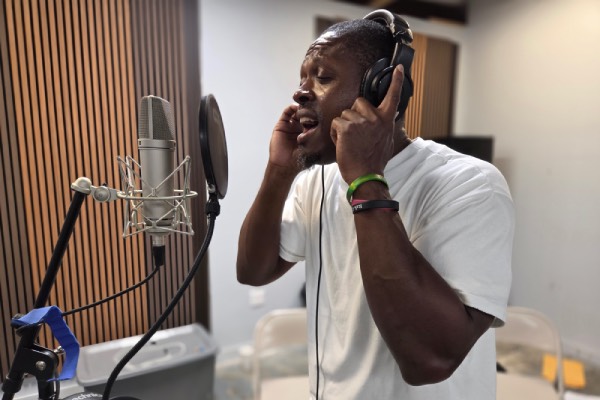
« I wrote a song called ‘My Apologies’ one time (…) I think about all those things. I still think about there’s a famiuly that actually went through something because of what I did. And I had to look at the fact that although I may have moved forward, not saying that I forgot about what happened because I always got to think about, you know, they’re going through something because of me. So I kinda wrote this song, ‘My Apologies’, not just to them, but there was some relationships that I had. I had to apologize to my children because, me being here, there is a lot of things that they miss. And one of my youngest daughters, she told me, said : ‘Do you know how hard it is for a girl to grow up out there without her father ?’ It was so much that I had to think about, man… And, like, how can I actually say this to everybody ? So, I just wrote it in a song, you know, saying that I apologize. »
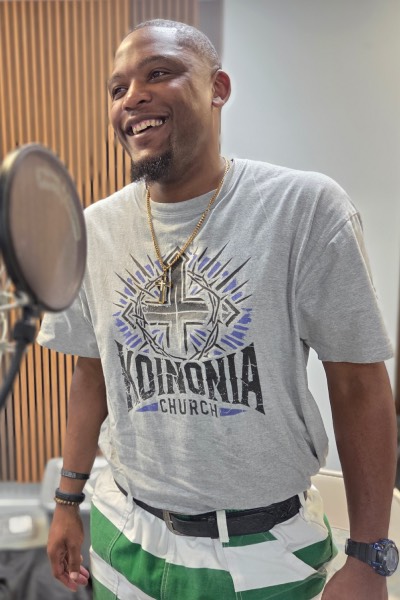
At Sunday service I spoke with another singer who was in the Parchman Band at the time, named Nathaniel Whitfield. He’s a big, 31-year-old guy with broad shoulders. Born in Tupelo in the Northeastern part of the state, he, too, discovered his talent in prison – before that, he had never sung in a band. He had never even thought about it, content to just sing a little for fun during karaoke at a bar. « This lady that was working there one time, she said, ‘You really got a good voice. Why don’t you try to do something with it ?’ But I thought she was just talking, you know. » His deep voice is powerful and confident. « He’s a much better lead singer than he is as back-up vocals or harmony, » told me Houston Jones, an inmate who is a fan of Elvis and Sam Cooke and the pianist for the Parchman Band, « but, if they can coach him and get him on his harmony notes, it is… Angelic. We are playing at a festival next week and the song we’re going to open up with – ‘Don’t Let Me Be Blind’ by King George, he’s a regional artist – starts out with just the voices. That’s not how it is on the track, but that’s how we waanna do it. And they made my hair stand up ! »
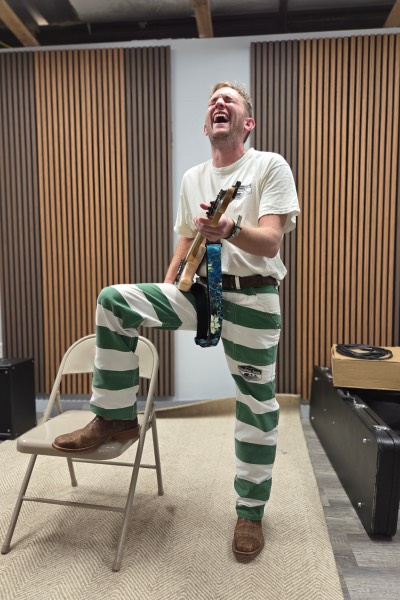
But the music that moves Nathaniel the most – even more than gospel or R&B – is country music, which is why the other inmates call him “Country.” « A lot of people, they were like, ‘Man, you’re a different color guy, you know, and you like this kind of music !’ » he laughed. « I was like, ‘I love it !’ (…) I just loved how the music sounded to me. And then I grew up in the country, soI grew up on a farm. I used to break horses and feed cattle every day. I started around10 or 11. You know, messing around with that. I was hired on by my boss, man, at a young age. I just used to do it everydat after school. One of my best friends that I grew up with, used to ride4-wheelers with and stuff, he the one who introduced me to Mr. McFarlane, who’s my boss. It was a very grand experience, you know, just leaving home and going to work for my boss, that was my second home, you know. I just got there every single day. »
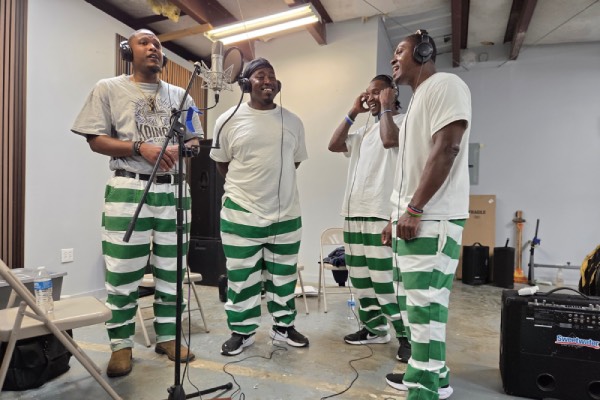
Here, many inmates had the same rural upbringing as Country. Jae’s memories of his teenage years are filled with days spent hunting and fishing. « I was always familiar with, like, just the country nature, you know. Being secluded and being off to myself and having a lot of land, some like this, you know, where you can just come out and get a peace of mind » says Jae, who, whenever he gets the chance, finds a quiet spot from which to gaze out at the fields stretching out before him.
And his thoughts go wandering way far beyond the fencing…